10% Human

Sailor kid looking ahead

I just can’t stop talking about the importance of healthy gut bacteria.  I borrowed the title for this article from a book I have been reading by Alanna Collen.  In it she discusses the importance of gut bacteria, also known as your microbiome.  The title refers to the percentage of our bodies that are actually human cells.  Of all the cells we walk around with each day, only 10% by number are actually our skin, blood, organs, tissues, etc.  The rest are mostly bacteria with some fungi and viruses. Slowly science is realizing just how important all these bugs in and on our bodies really are.  In order for us to evolve, we have had to hire out some of our essential functions.  These bacteria help break down plant fibers, fight off bad bacteria, create vitamin B12 and K and shape the intestinal wall just to name a few.  And in return we give them a nice place to live with lots of food.  But what happens when this symbiotic relationship gets disrupted?

Most people think their gut is only for digesting food, but in fact the digestive tract is the central area for the nervous, hormonal and immune systems.   This means that an imbalance in this area can have far reaching, and seemingly unrelated, effects throughout the body.

Improper or lacking gut bacteria (dysbiosis) are associated with digestive disorders such as irritable bowel syndrome, irritable bowel disease, Crohn’s disease, celiac disease and food intolerances.  Any of these problems can cause debilitating symptoms.  Several autoimmune diseases are also associated with dysbiosis.  These include rheumatoid arthritis, MS, Type I diabetes and lupus.  Dollarphotoclub_64564172.jpg

Our digestive tract and our little bacterial friends play a role in regulating our mood.  One of the functions of gut bacteria is to make neurotransmitters such as GABA.  GABA is the calming chemical in the brain that decreases anxiety and helps relieve anxious depression.  Therefore a lack of gut bacteria can lead to anxiety and depression.  Gut bacteria are also involved in other mental health disorders.  A recent study found that supplementing a baby with probiotics (supplement form of good gut bacteria) decreased the incidence of ADHD when these children became teenagers.

Dysbiosis is also associated with autism, allergies, eczema, asthma, some cancers and obesity. And these are just the health problems we know of so far.  Research is only just beginning to understand the importance of the bugs that live in our digestive tract.  Scientists keep looking for a genetic cause for diseases because we have the technology to change some genes, at least for the coming generation.  But most of these disorders didn’t exist 100 years ago.  Human genetics have not changed that fast.  So that means something must have changed in our environment and lifestyles.

probiotics


How to Keep Your Microbiome Happy

There are some things that disrupt our microbiome that we don’t have much control over. Caesarean sections save baby’s lives but this means that they don’t get exposed to mother’s bacteria in the vaginal canal at birth. Formula has also saved lives but formula does not expose the baby to mom’s healthy bacteria. When antibiotics are used correctly they save many lives but these can wipe out a lifetime of healthy gut bacteria leaving a very upset micro biome.  But there are many things you can do yourself to keep your little bacteria friends happy.

Eat fibre. Avoid sugar. Eat lots of fruit and veggies (with the skin on), legumes and whole grains such as brown rice and wholemeal bread. This provides great food for your microbiome as well as making sure everything keeps moving. Gut bacteria thrive on a variety of fibre so try not to eat the same things every day.  Bacteria don’t like it when stool sticks around too long so make sure you eat fibre every day. Sugar only helps to feed the bad bacteria so try to limit your intake.  Read here for more information on the effects of sugar on your body.

Don’t eat preservatives. Preservatives are designed to kill and stop the growth of bacteria, and that is just what they keep on doing inside your body. These pesky chemicals have only been in our diet for less than a century and they are wreaking havoc on our gut bacteria. Avoid products with preservatives listed. ‘Flavouring’ and ‘colouring’ are full of preservatives, which might not be listed separately on the label so avoid any products with these.   Product labels only have to show ingredients that are higher than 10 parts per million, but many preservatives are very effective at even this low level. Keep in mind that food manufacturers are out to make money so they may lie on their labels (even if it is illegal). So if there is a product that doesn’t go off within a few days, don’t eat it!

Pesticides.jpg

Buy organic from the dirty list. Pesticides are also designed to kill. Organophosphates have been banned in Europe and restricted in the US but are still widely used in Australia. These pesticides are linked to reduced IQ, weight gain, Type II diabetes, Parkinson’s and Alzheimer’s. Children under 7 years old do not have the enzyme required to excrete these chemicals from their little bodies so it just builds. The ‘dirty’ foods with the highest pesticide residues in Australia are, in order, apples, wheat, strawberries, pears, grapes, lettuce, nectarines, peaches, and tomatoes. To save money, buy these foods organic and buy foods from the ‘clean’ list conventional. The ‘clean’ foods are onions, sweet corn, pineapple, asparagus, sweet peas, mango, eggplant, kiwi and cabbage.  Here is a  link to the full American list for 2016.  This list is updated every year.

If you are worried about the state of your gut bacteria or already have symptoms of an imbalance, taking a probiotic supplement may help, but you should seek advice from your local naturopath to make sure you get a good quality one.

The bacteria in your gut are very important to your health and longevity. Be nice to them and they will be nice to you.

Check out my Healthy Heathcote 90-Day Challenge video about the importance of gut bacteria:
Stay Healthy This Winter (and all year long)

Dollarphotoclub_65947842-2.jpg

While it is summer for all of you in the northern hemisphere, it is winter down under which means cold and flu season has come around again. Although for those of us with kids in daycare and school it seems that cold and flu season lasts all year-round! Here are some helpful hints for keeping the whole family healthy in winter and all year long.

sneezing.gif

Sleep is the most important activity your body needs. When sleeping, your body restores, heals, and creates important hormones. Get to bed early and stay there for at least 7-8 hours each night.  Avoid caffeine to ensure you get a good quantity and quality of sleep.  Read my blog article about caffeine for more information on the effects it has on your body.

Psychological stress is associated with a greater risk of depression, heart disease and infectious diseases.[1]  Take time out – exercise, garden, meditate, whatever it is that helps you to relax.

What would one of my articles be if I didn’t mention exercise?  Exercise is important for everyone. To keep your immune system at its best you want at least a brisk 30-minute walk each day.  If you are an avid athlete you also need to take care, as very high intensity exercise can put a strain on your immune system.[2]bacteria on hands

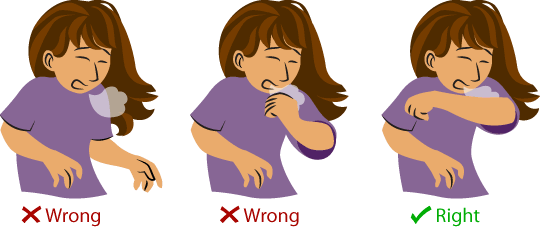
Always wash your hands before eating.  There was a 75% reduction in flu-like symptoms when a test group wore masks and washed their hands.[3]  This is especially important for kids who are more apt to putting their hands in their mouths.  It can really be just that easy!

Our bodies are composed of 70% water. Proper hydration is important for the optimum functioning of all your body systems. Increase your water intake slowly getting up to 2L per day.  Check our my article about water for more information.

Hot-Cold showers are an excellent way of improving your immune system, increasing circula­tion and elevating energy levels. After finishing your regular shower routine, do 20 seconds of cold and 1 minute of hot. Alternate 2-3 times, ending with cold.  The increase in circulation will also help decrease sensitivity to the cold.

There are several supplements you can take to help boost your immune system. Daily zinc supplementation has been shown to shorten the duration and severity of the common cold, reduce the incidence of acute lower respiratory tract infections in preschool children by 45% and reduce the incidence of pneumonia by 41%.[4]

There are lots of herbs that can help boost your immune system. You can drink my Change of Season tea daily to stay healthy while the weather is changing.  You can also check out my Cough and Cold Soother tea for a delicious mix that can help fight off germs if you get sick.

Vitamin C is found in high concentrations in immune cells and is quickly consumed during an infection.  It is a natural antihistamine and has been found to reduce the severity and duration of the common cold and upper respiratory tract infections.

More than 80% of the body’s immune system is in the digestive tract.[5]  A lack of good bacteria in the digestive tract can cause a reduction in the immune system allowing increased infections.  Take a good quality probiotic to prevent bad bacteria from taking hold.

Vitamin D has a direct effect on the immune system. Vitamin D stimulates the production of natural antibiotic proteins thus killing more bacteria.  Insufficient levels are related to a deficiency in our immune system to protect us against infections.

If you are inspired to make lifestyle changes, but you aren’t sure where to start, you can join one of my 5 week step-by-step group Get Healthy programs.

These are just a few suggestions.  For personalized advice, contact your local naturopath. Let’s stay healthy this winter!
References

1  Cohen S, Janicki-Deverts D, Doyle WJ, Miller GE, Frank E, Rabin BS, Turner RB. Chronic stress, glucocorticoid receptor resistance, inflammation, and disease risk. PNAS, 2012 April 17; 109(16): 5995-5999.

2  Society for General Microbiology. Couch potato or elite athlete? A happy medium keeps colds at bay(Internet). ScienceDaily. 2012 January 5 (Retrieved 13 May 2012). Available from: http://www.sciencedaily.com/releases/2012/01/120105112158.htm

3  Aiello AE, Perez V, Coulborn RM, Davis BM, Uddin M, Monto AS. Face masks, Hand Hygiene, and Influenza among Young Adults: A Randomized Intervention Trial. PLoS ONE, 2012; 7 (1): e29744.

4  Hunter P. Health Benefits of Zinc. Bioceuticals Advanced Clinical Insights, 2004; 5.

5  Plummer N. Dysbiosis and Disease: Ground breaking new research into probiotics and their role in preventing treating disease (presentation notes). FIT-BioCeuticals, Ltd. Online. 2010.

Sugar. Is it really that bad?

Various kinds of sugar, brown, white and refined sugar

In short … Yes it is!

We hear a lot about sugar in the news lately.  Some say it is bad for us while others say it is ok … in moderation. I’ll get back to that moderation thing a bit later, but let’s first talk about sugar and what happens when we eat it.

When you eat sugar, your glucose, or blood sugar, levels rise. In response to this the pancreas excretes insulin in order to take the sugar out of the blood and use it for energy or to store it. We then feel hungry and want to eat again. This is a normal and necessary process in our bodies. The problems start to arise when we eat foods high in sugar but with little or no other nutrients.

Our bodies like to have a blood sugar level within a very narrow range.   When we eat an apple, the natural sugars in it are accompanied by fibre and other nutrients resulting in a slow release of the sugars inside. But when we eat cookies, lollies, soft drinks and fruit juices, the sugar is released into our bodies very quickly and we get a spike in our blood sugar and insulin levels. These levels then drop dramatically causing us to crave more sugar. These spikes can lead to diabetes, heart disease, anxiety and depression, stress, decreased ability to learn, fatigue, and headaches. And when we have more sugar than we need for energy, we store it as fat leading to weight gain.

Eating Sugar

Although exercise can help to burn off some of the calories in sugar, it still doesn’t stop the spikes from happening when we eat sugar. The sugar wreaks havoc on our bodies and also on our mental state and immune function.   And because sugar is digested so quickly, we feel hungry again very quickly so we are more likely to eat more calories.

There has been a trend to replace processed sugar with artificial sweeteners. These are actually worse for us. People who drink diet drinks are at a higher risk of diabetes, high blood pressure and heart disease than people who drink regular soft drinks. Diet drinks also cause the hormone leptin to drop, which triggers you to feel hungry so people end up eating more than they would have. And all soft drinks and many other sugary products contain preservatives and other chemicals, which cause another list of health problems.

Back to the topic of moderation. We often hear that you can consume certain unhealthy foods ‘in moderation’ as part of a healthy lifestyle. But what is moderation? Once a day? Month? Year? There is no definition of this term giving everyone an excuse to overindulge. And there are many sugar products that I think people should just never consume.

AdobeStock_105681564.jpeg

Next time you are at the supermarket, check out the labels on your favourite products. You may be shocked to find how much sugar is hiding there. Nutrigrain cereal is one product I have a particular problem with because it advertises itself as being healthy and for athletes, but I doubt any athlete eats 27% sugar for breakfast!  Other products to look out for are sauces.  Tomato sauce (ketchup) is 30% sugar.  Juices can be between 10 and 18% sugar – more than soft drink!!

If you have any questions about sugar, talk to your local naturopath. Try cutting down on your sugar intake and see how you (and your waistline!) feel.

Check out my Healthy Heathcote 90-Day Challenge video about sugar here:

Protein. What do we need it for?

fagioli borlotti - beansProtein is the most abundant substance in our bodies after water. Our hair, skin, eyes, muscles and organs all contain protein. We use it to make hormones, enzymes, blood components such as hemoglobein and ferritin, and antibodies for our immune system.

The average person needs 1g of protein per kg of a person’s weight. So if you are 70kg you want to eat 70g of protein in a day. One easy way to know if you aren’t getting enough is if you crave sugar. Protein is a slow burning energy that helps make us feel full. But when our bodies don’t have enough of it, it seeks to eat fast burning carbohydrates such as sugar. If you increase the amount of protein in your diet, you will notice a decrease in sugar cravings. And studies have shown that increasing protein intake can help reduce weight even without other lifestyle changes.

It is best to eat protein at each meal so that your body gets the sustained energy throughout the day and not leave it to just dinner. Breakfast, as people say, is the most important meal of the day and the most important time to eat protein. Some protein at breakfast will keep you going longer and help prevent those sugar cravings at morning-tea time. And eating a healthy breakfast leads to improved cognition and memory, reduced absenteeism from school and work and improved mood.

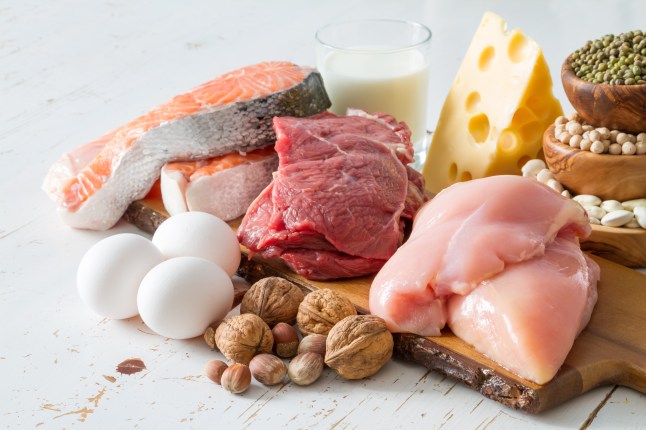
Selection of protein sources in kitchen background

There are many great sources of protein. Red meat, chicken, fish and eggs contain the most amount of protein. Cheese, yogurt and other dairy products also all contain protein. There are also many great plant sources that will also give you good fats and fibre such as almonds, walnuts, pumpkin seeds, sunflower seeds. Beans, peas and soy are also great sources of protein.Dinner plate

No one wants to be weighing their food to make sure they are having the right
proportions, so an
easy way to make sure you are
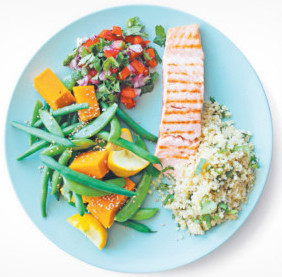
getting enough is look at your plate. For a healthy meal, you want half of your plate to be fruits and vegetables, although preferably vegetables. A bit more than a quarter to be protein and a bit less then a quarter to be healthy carbohydrates.

If you need motivation to increase your fruit and veg intake along with your protein, how about this: one additional serving per day of fruit lowers your risk of death from all causes by 6%. Each additional serving of vegetables lowers it by 5%.

Most people are pretty good with having a balanced dinner plate, but struggle with breakfast. Some ideas are smashed avocado with an egg of wholegrain toast. Or make your own muesli or granola with lots of nuts and seeds.

Don’t forget to increase your water intake as you increase your protein intake to avoid constipation. And enjoy the increase in energy you will feel!

References

Wang X, Ouyang Y, Liu J, Zhu M, Zhao G, Bao W & Hu FB. (2014). Fruit and vegetable consumption and mortality from all causes, cardiovascular disease, and cancer: systematic review and dose-response meta-analysis of prospective cohort studies. BMJ. 29 July. 349.

FAQs About Exercise

woman walking with dog

I talk about exercise in most of my articles as I believe it is one of the key factors to good health and long life.  The list of potential effects of exercise could take up most of my space but include improving cholesterol, blood pressure, diabetes, polycystic ovarian syndrome, depression, sleep apnoea, sleep, arthritis, immune health, and how you look and feel.  Most people know they should exercise but may be unsure about a few facts.  Here I will attempt to answer some of the more common questions about exercise in relation to weight loss.

How much do I need to do?   It has been found that doing at least 150 minutes of exercise in a week will have the best results for weight loss.  The duration is more important than the intensity.[i] This is because the longer you exercise the more fat you will burn.  The body stores carbohydrates in muscle as glycogen.  This muscle glycogen is used for energy in the first 20-30 minutes of exercise.  Between 30-50 minutes the body starts to use fat for energy.  At the transition point is when many people start to feel tired.  If you push through this feeling and do 50 minutes of moderate intensity exercise 3-4 times a week you will get the best results.

When should I exercise? Many people believe that exercising in the morning is the best time to get the best results.  Although this may bring slightly better results, time of day is less important than just getting out there. The best time is the time that fits into your schedule.

Should I eat before I exercise? The best results can be achieved with exercise on an empty stomach.  This will burn more fat, deposit more protein on the muscle and improve insulin sensitivity. [ii] Not everyone can exercise without eating first though.  If you feel lightheaded during exercise make sure you eat something first but just keep it small such as a piece of fruit.Running on the beach

Should I eat after exercise? Yes! This is the most important meal of the day. If you don’t eat then cortisol levels continue to rise leading to muscle breakdown, immune suppression and insulin resistance.  Your body also needs to replenish the glycogen it used so that you can exercise next time.  The best time to eat is within 30 minutes of exercising. [iii]

What should I eat after exercise? This is your chance to eat carbohydrates! Eat at a ratio of 3:1 carbohydrates to protein [iv] (this ratio is ONLY for post exercise).  Have some fruit or low GI grains with a good protein source.  Most protein powders will have a good ratio of protein to carbohydrates.

I’ve hit a plateau.  What do I do? As a person loses weight they need less energy to move around so they burn fewer calories.  If you have hit this point it means you need to step up your exercise.  You need to either exercise longer or increase the intensity.  Trying a different form of exercise can often be helpful too.

Remember to drink plenty of water before, during and after exercise.  And limit your caffeine intake as this can cause dehydration and muscle cramps.

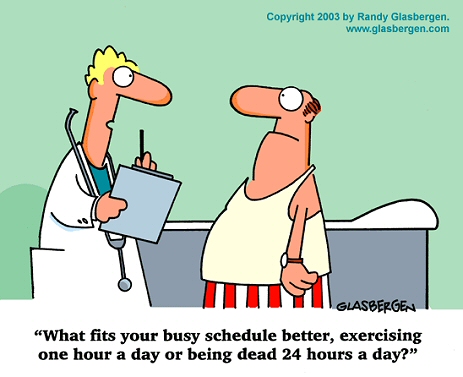
If you have indulged lately, kick up the exercise level to compensate. The weather is gorgeous lately, so get out there and get your body moving!

cartoon-2012-03-02

References

[i] Chambliss HO. Exercise duration and intensity in a weight loss program. Clin J Sports Med. 2005 Mar; 15 (2): 113-115.

[ii] [iii] [iv] Sutherland K. Nutrition & Fuelling for Exercise and Leanness (unpublished lecture notes]. Health Masters Live, online; lecture given – 2013 July 24.

Caffeine. Is it really good for you?

Coffee cup and coffee beans on old wooden background

Caffeine can be found in coffee, tea, chocolate, soft drinks, and energy drinks.  It is a central nervous system stimulant so people use it to increase wakefulness, enable faster and clearer flow of thought, increase focus, and improve general body co-ordination.  In some situations it has been found to improve performance in sport and in moderate amounts may even decrease the risk of some cancers.  But that doesn’t mean that it is really good for you.

Caffeine is one of the most common causes of health problems I see in practice. Excess caffeine intake manifests as many disorders such as:

  • Chronic fatigue
  • Headaches
  • Weight gain
  • Anxiety
  • Depression
  • Increased risk of cardiovascular disease
  • High blood pressure
  • Type 2 diabetes
  • Poor judgment
  • Lowered mood
  • Decreased ability to learn and retain information
  • A higher risk of accidents and injury 

Caffeine can cause:

  • Nervousness
  • Irritability
  • Restlessness
  • Heart palpitations
  • An increased risk of bladder cancer and osteoporosis

It is a diuretic so can also cause dehydration.  It is addictive and people can build up a tolerance to it so they have to drink more to get the same stimulating effects.

Because caffeine is a stimulant it can cause sleep disorders.  It takes 6 hours for the body to clear half the caffeine taken in.  This means that at 10pm when you are trying to sleep there is still half the caffeine from that 4pm coffee in your system.  This length of time increases with age and impaired liver function. Oral contraceptive use doubles it while pregnancy can triple it.  Some medications can increase it by ten times.  Due to the length of time it takes the body to clear caffeine, it should not be consumed after about noon, and some people may find they need to eliminate it all together to get a good sleep.

What is a safe amount of caffeine?

There are no standards for a safe limit of caffeine.  Food Standards Australia New Zealand recommends no more than 3mg per kg of body weight. So for someone weighing 70kg this is 210mg per day.  Most energy drinks have about 80mg so should be limited to two a day based on their caffeine content.  They still contain all the sugar of soft drinks though so should be avoided.  A Starbucks Grande coffee has 330 mg of caffeine so these should only be for special occasions. 

AdobeStock_47495162 [Converted]

Due to its addictive quality, stopping caffeine consumption can cause withdrawal symptoms including:

  • Headaches
  • Irritability
  • Inability to concentrate
  • Drowsiness
  • Insomnia
  • Pain in the stomach, upper body, and joints.

These may appear 12 to 24 hours after discontinuation of caffeine intake, peak at roughly 48 hours, and usually last from 2 to 9 days.

The benefits of caffeine are negligible so really it is best not to drink caffeine at all. If you must, only drink it in the morning. Children should never drink caffeine and teenagers, pregnant women and people on certain medications should limit their intake.

To see the caffeine content in your favourite drink check out this website:

http://www.energyfiend.com/caffeine-content-of-australia-and-new-zealand-drinks

Many people tell me that they couldn’t possibly have a problem with caffeine because they fall asleep easily. But if you wake up tired, you aren’t getting a good quality sleep which can be because of caffeine.

If you have already cut caffeine out of your day but are still having trouble sleeping, check out my article with more sleep suggestions.

If you are still drinking caffeine, humour me and cut it out for 3 weeks and see how you feel. You never know unless you try! You might be surprised at how good you could feel.

What are Fats?

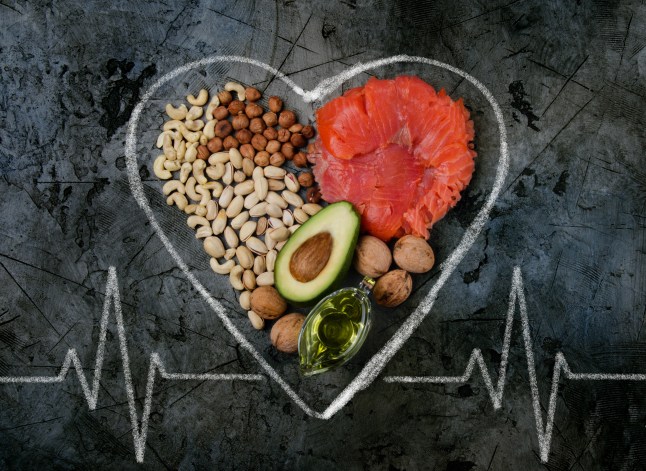
healthy fats. healthy fats for heart. top view.


Good fats. Bad Fats. Mono, trans, saturated, omega 3. What does it all mean? The world of fats has become very confusing and it is hard to know what you are supposed to eat. If you would like to learn more about which ones you should and shouldn’t eat, please read my article, The Truth About Fats. Here, I will give you some background into the different kinds of fats that exist.

We need some fat – it makes up part of our brains, it protects our joints and it provides reserves for when we’re sick.

  • Fat provides needed energy.  It is difficult to eat the large amounts of food that you would need for energy in a very low fat diet.
  • Fat is needed so your body can absorb the fat-soluble vitamins A, D, E, K, and prevent deficiencies of these vitamins.
  • Provides back-up energy if blood sugar supplies run out (after 4-6 hours without food).
  • Provides insulation under the skin from the cold and the heat.
  • Protects organs and bones from shock and provides support for organs.
  • Fat surrounds and insulates nerve fibers to help transmit nerve impulses.
  • Fat is part of every cell membrane in the body.  It helps transport nutrients and metabolites across cell membranes.
  • Your body uses fat to make a variety of other building blocks needed for everything from hormones to immune function.

What happens if we don’t have enough fat?

  • Dry, scaly skin
  • Hair loss
  • Low body weight
  • Cold intolerance
  • Bruising
  • Poor growth
  • Lower resistance to infection
  • Poor wound healing
  • Loss of menstruation

What is fat?

Fats, also known as fatty acids, are made up of a chain of carbon atoms with hydrogens and oxygens attached. The number of carbons and hydrogens and their configuration, will decide what kind of fat it is.

Length

Fats are classified by their length being short, medium, long and very long chain fatty acids. Short chains have less than 6 carbons, medium chains have 6-12, long chains have 12-22 and very long chains have greater than 22.

Triglyceride

A triglyceride is when 3 fatty acids are attached to a glycerol. This is the storage form of fats and generally what you are eating when you eat fat. This is also how fat is stored in your own body. Triglycerides can be made up of a variety of fatty acids. 

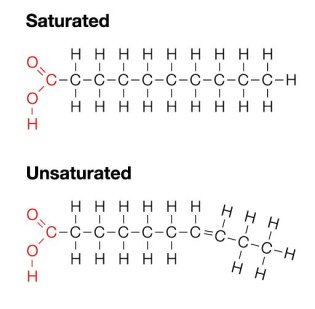
Saturated Fats

These fats have no double bonds between any carbons and so are ‘full’ of hydrogens. They are usually solid at room temperature. Saturated fats are found in dairy products, meat products, coconut, cottonseed and palm oil, and even chocolate. These fats have typically been considered ‘bad’ fats but unfortunately it isn’t that simple. Animal sources of fat are usually completely saturated fats, but most plant sources are a mix of saturated and unsaturated so their effects on the body are more unpredictable and individual. It has been thought for years that a diet high in animal sources of saturated fats was linked to higher cholesterol and heart disease. This has recently been found to be untrue.

fat_f2

Unsaturated Fats

These fats have at least one double bond between two carbons and are often either very soft or liquid at room temperature. There can either be just one double bond making it monounsaturated or many double bonds making it polyunsaturated. These double bonds can occur in 2 different formations: cis and trans.

Cis

The cis form results in a ‘kinked’ fatty acid which makes it into a liquid. These are naturally occurring.

Trans

The trans form results is a straight fatty acid like a saturated fat and so is more solid. These were manufactured in order to make a solid fat that would have a longer shelf life than saturated fats. As these are not naturally occurring, the body does not digest them as they would other fats and so they can cause problems such as increased cholesterol, decreased visual acuity, increased heart disease, insulin resistance (leading to diabetes), reproductive difficulties, decreased nutrition in breast milk and cancer. Read labels and avoid anything that contains ‘trans fats’ or says it is hydrogenated (the process of making a trans fat).

Polyunsaturated (Essential)

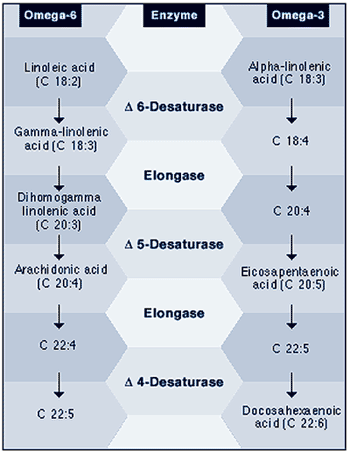
There are many polyunsaturated fats, but the key ones are the essential ones. The essential fatty acids are linoleic (Omega 6) and linolenic (Omega 3) acid. They are important for controlling inflammation, blood clotting, and brain development. These are considered essential because you must consume them as your body can not build them from something else. In general, Omega 6 fats increase hormones along the inflammation pathway and are considered bad while Omega 3 fats increase hormones that decrease inflammation and are considered good. Omega 6 fats are still needed in our diet, but we usually over consume them thus leading to excessive inflammation. The same enzymes metabolize both fats. If there are more Omega 6 fats then the enzymes will be busy metabolizing them instead of the Omega 3 fats. A balance of both fats is needed to promote health. Most sources suggest omega 3 and omega 6 be consumed at a ratio of 2:1.

lox5b

Omega 3

Omega 3 fatty acids have been found to be helpful for atherosclerosis, decreasing inflammation, lowering risk of heart attacks, lowering cholesterol, immunomodulation, constipation, diabetes, PMS, renal failure, mental health (depression, ADHD, schizophrenia), cancer prevention and treatment, pre-eclampsia and many more. Cod liver oil is commonly given as a source of Omega 3 in Australia, but you need to be careful because it is also high in Vitamin A. Excess Vitamin A needs to be avoided when a woman is pregnant as it can cause birth defects, but for others it can cause vomiting, weight loss, joint pain, dry skin, irritability, amenorrhea, digestive problems, fissures at the corners of the mouth, and liver enlargement.

EPA and DHA

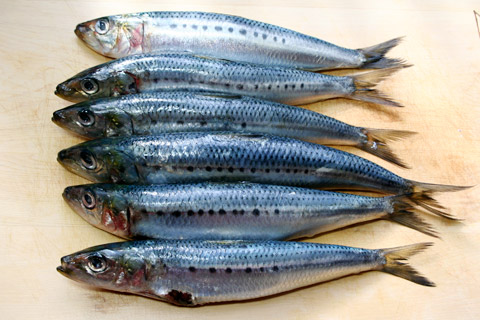
Along the breakdown pathway for Omega 3 fats, they become eicosapentaenoic acid (EPA) and docosahexaenoic acid (DHA). From here they become the anti-inflammatory hormones. Cold water fish oils (salmon, mackeral, anchovies, sardines, herring) contain EPA and DHA while flax, walnut and hemp contain linolenic acid. The advantage of taking fish oils is that you are taking in the substance that is already a few steps down the pathway.   Also, our bodies are not very efficient at turning linolenic acid into EPA and DHA and conditions such as diabetes and allergies can reduce the body’s conversion ability even further.

EPA has been found to be helpful with blood pressure, blood clotting, blood lipid levels, the immune response, and inflammation. DHA is important for reducing cancer risk, brain development and function, memory, depression, ADHD, and other behavioural problems.

how-to-clean-sardines-1

Omega 6

Omega 6 fatty acids are found in corn, cotton, soy, safflower, sunflower, black currant, borage and evening primrose oil. They may help to reduce the risk of cardiovascular disease, but when they are in excess over Omega 3 fatty acids, they can contribute to allergies and increased inflammation. It is also possible that a high consumption of these fats can increase the likelihood of breast and prostate cancer.

Monounsaturated – Omega 9

We often see Omega 9 fatty acids grouped together with 3 and 6. Omega 9 fats are not essential as our bodies can build them from other substrates, but can be used therapeutically to improve cholesterol (lower LDL and raise HDL), reduce blood pressure, reduce insulin resistance and improve glucose control, improve immune function and reduce cancer risk. These fats are found in olive, canola, macadamia, avocado, peanut, sesame, tea seed, corn, safflower and sunflower.

Grass fed meat

Not all saturated fats are the same. Red meat is high in saturated fat and although we have just discussed how they are not actually bad for you there is an exception. Due to the large scale of beef and sheep farming, animals have come to be fed grain as it is easier and cheaper then having them graze on a large piece of land. Unfortunately they are not meant to eat grain so this diet produces inflammation in their bodies resulting in large amounts of inflammatory cytokines. It has been found that animals fed grass produce higher amounts of Omega 3 fats in their bodies, arguably as high as fish. If you eat red meat, it is best to eat grass fed and grass finished meat when you can.

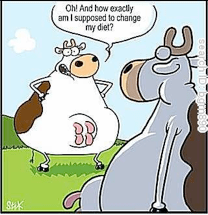
Cow cartoon

Processed Meat

The trend to reduce saturated fat intake has also led to an increased intake of processed, low-fat, meats. A study published in 2013 in BMC Medicine found that there was no link between unprocessed red meat and cardiovascular disease. The link is only with processed meats due to their high sodium and preservative content. This is consistent with the recent findings from the World Health Organization announcing that processed meats increase your chances of cancer occuring.

Coconut Oil

Coconut oil is mostly a medium chain saturated fat and is very good for you. It can aid in calorie burning thus improving weight loss. It has also been shown to help treat type II diabetes, dementia and epilepsy and improve digestion.

Farmed fish

Because farmed fish do not eat algae as they should, they are not actually as high in Omega-3 fats as their wild counterparts.

For more about which fats you should be eating, check out my article The Truth About Fats.  Enjoy eating fats.  Your body will thank you.


The Truth about Fats

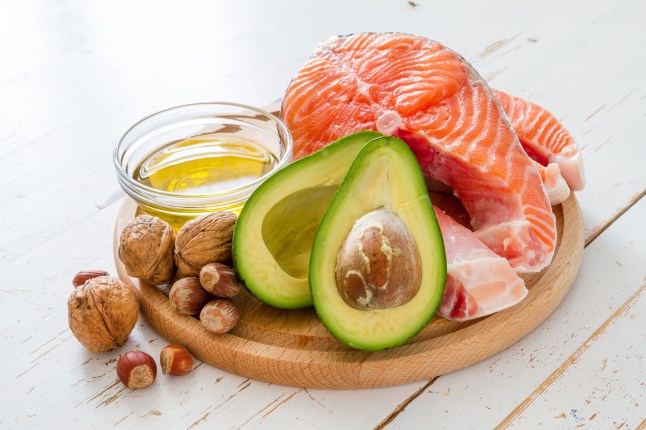
Selection of healthy fat sources

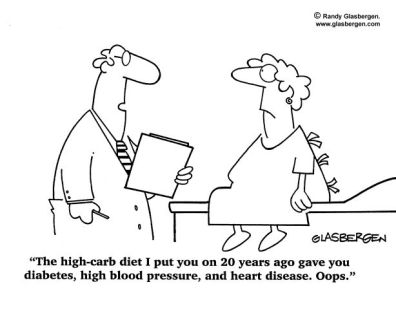
For many years a low-fat diet has been considered healthy when in fact it has been contributing to the increase in diabetes, heart disease and obesity.

The original research that indicated a high-fat diet was associated with increased heart disease was an association study. It found that countries that consumed a high-fat diet had a higher incidence of heart disease. But this is an associated NOT causation. It is like saying New Year’s Eve causes fireworks. The study also didn’t include the data from all available countries. When included there is little to no association between a high-fat diet and heart disease.

Unfortunately the marketing world responded to the idea of low-fat being healthy by creating products that are low or no fat. As a result these products are higher in sugar and salt (to improve the bland taste from the lack of fat content) and thus dramatically more unhealthy. Check out the sugar content on low-fat versus full cream dairy products next time you are at the store.

In 1977, the US dietary guidelines suggested that an increase in carbohydrates should coincide with a decrease in fat intake. The reasoning was that fats have more calories in them so this would result in a reduction of overall calories. The exact opposite is what happened. Fats help make you feel satiated (full). If you eat low-fat products you are actually more likely to eat more calories. So although fats are higher in calories, you end up eating less than if the calories came from carbohydrates.

Oops

When people eat a low-carbohydrate diet it improves weight, lipids, diabetes, and inflammation. A low-fat diet with the same number of calories worsens all these measures. Fat intake is not associated with type 2 diabetes and there is in fact no association between percentage of dietary fat consumed and increased risk of death. Also, saturated fats do not increase cholesterol.

People have also been advised to replace saturated fats with polyunsaturated fats. Unfortunately this has mostly resulted in people consuming more omega-6 fats found in corn, safflower, soybean, cottonseed and grain fed red meat, rather than the healthy omega-3 fats found in fish, grass fed red meat, flax and chia. This switch away from saturated fats to omega-6 fats resulted in increased cancer, increased heart disease, increased LDL, decreased HDL (good cholesterol), and increased death.

The most nutritious way of eating is to consume lots of vegetables, a moderate amount of protein from some meat but also vegetarian sources and a small amount of good quality carbohydrates.

So which fats should you eat? Coconut, macadamia, pumpkin, avocado, sesame and rice bran oils as well as butter are great for cooking. If you consume dairy products always buy full cream. Only eat grass-fed and grass finished red meat. Eat salmon, mackerel, anchovies, sardines, herring and cod whenever you can. Avocado, walnuts, linseeds, almonds and hemp seeds are great for snacking. Avoid trans fats and farmed fish. Limit omega-6 intake especially in the form of vegetable oils.

Don’t be afraid of consuming good quality fats. You will feel fuller faster and for longer and will end up consuming less calories, improving your health and feeling better.

For some more information about fats, check out my video for the Healthy Heathcote 90-Day Challenge:

Water, Water Everywhere

Small Girl in the kitchen

Some symptoms of dehydration include headaches, fatigue, poor sleep quality, dark coloured urine, constipation, dry mouth, dizziness, muscle cramps and dry skin.  With chronic dehydration the body learns to adapt and changes the point at which it asks for water.  The less water you drink on a regular basis, the less water your body will ask for.

The generally accepted rule is to drink 8 glasses that are 8 oz each or almost 2L.  If you exercise during the day than this amount needs to increase depending on how much you sweat.  If you are exercising for longer than an hour, weigh yourself before and after exercise to see if you have lost weight due to dehydration.  If you weigh less after exercise, then you need to drink more water.  You may also need to add an electrolyte supplement if you are sweating a lot.

If you consume caffeine during the day than you also need to consume more water. Some people say you can count caffeinated beverages toward water intake.  I strongly disagree.  Caffeine is a diuretic. This means it increases the amount of water excreted in your urine.  My general rule for patients is if you drink a cup of a caffeinated beverage (coffee, tea, energy drink, soft drink) than you need to drink a cup of water to compensate.  This brings you back to zero and you have to drink your 2L on top of this.  Alcohol is an even stronger diuretic and requires even more compensation.  Some medications will also dehydrate you.

As mentioned your body adapts to being dehydrated so you need to increase you intake slowly.  Increase your intake each week by 250ml per day.  Keep increasing until you get to 2L per day after compensating for your caffeine intake.  If you still have any of the above symptoms or your urine is still not clear or light coloured, talk to your naturopath before increasing more, as it is possible to drink too much water.

beauty girl drink water

Some of your water intake comes from fruits and vegetables especially high water content ones like watermelon or cucumber but unless you are consuming these in large quantities I don’t count them.  Juice is mostly water, but it also contains lots of sugar so should only be consumed in small quantities. If you don’t like the taste of water, add a squeeze of lemon, lime or orange.  Or perhaps some watermelon and mint.  Get creative!

Consult your naturopath if you are on any medications or have a kidney disease.  Start drinking water today and see the difference it makes!

Check out my video about water for the Healthy Heathcote 90-Day Challenge: