

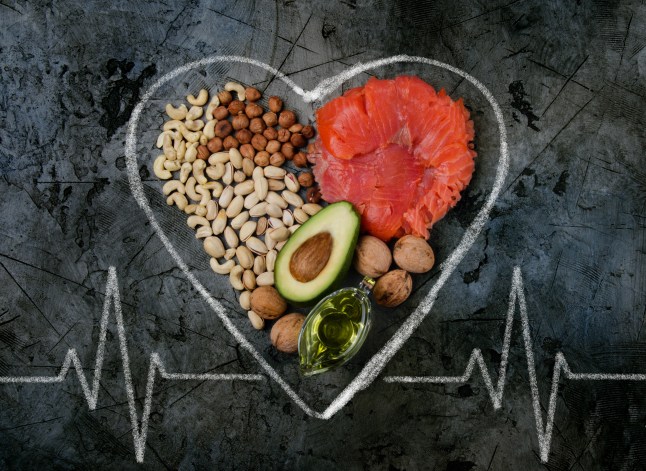
Good fats. Bad Fats. Mono, trans, saturated, omega 3. What does it all mean? The world of fats has become very confusing and it is hard to know what you are supposed to eat. If you would like to learn more about which ones you should and shouldn’t eat, please read my article, The Truth About Fats. Here, I will give you some background into the different kinds of fats that exist.
We need some fat – it makes up part of our brains, it protects our joints and it provides reserves for when we’re sick.
- Fat provides needed energy. It is difficult to eat the large amounts of food that you would need for energy in a very low fat diet.
- Fat is needed so your body can absorb the fat-soluble vitamins A, D, E, K, and prevent deficiencies of these vitamins.
- Provides back-up energy if blood sugar supplies run out (after 4-6 hours without food).
- Provides insulation under the skin from the cold and the heat.
- Protects organs and bones from shock and provides support for organs.
- Fat surrounds and insulates nerve fibers to help transmit nerve impulses.
- Fat is part of every cell membrane in the body. It helps transport nutrients and metabolites across cell membranes.
- Your body uses fat to make a variety of other building blocks needed for everything from hormones to immune function.
What happens if we don’t have enough fat?
- Dry, scaly skin
- Hair loss
- Low body weight
- Cold intolerance
- Bruising
- Poor growth
- Lower resistance to infection
- Poor wound healing
- Loss of menstruation
What is fat?
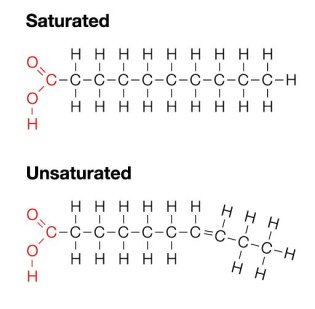
Fats, also known as fatty acids, are made up of a chain of carbon atoms with hydrogens and oxygens attached. The number of carbons and hydrogens and their configuration, will decide what kind of fat it is.
Length
Fats are classified by their length being short, medium, long and very long chain fatty acids. Short chains have less than 6 carbons, medium chains have 6-12, long chains have 12-22 and very long chains have greater than 22.
Triglyceride
A triglyceride is when 3 fatty acids are attached to a glycerol. This is the storage form of fats and generally what you are eating when you eat fat. This is also how fat is stored in your own body. Triglycerides can be made up of a variety of fatty acids.
Saturated Fats
These fats have no double bonds between any carbons and so are ‘full’ of hydrogens. They are usually solid at room temperature. Saturated fats are found in dairy products, meat products, coconut, cottonseed and palm oil, and even chocolate. These fats have typically been considered ‘bad’ fats but unfortunately it isn’t that simple. Animal sources of fat are usually completely saturated fats, but most plant sources are a mix of saturated and unsaturated so their effects on the body are more unpredictable and individual. It has been thought for years that a diet high in animal sources of saturated fats was linked to higher cholesterol and heart disease. This has recently been found to be untrue.
Unsaturated Fats
These fats have at least one double bond between two carbons and are often either very soft or liquid at room temperature. There can either be just one double bond making it monounsaturated or many double bonds making it polyunsaturated. These double bonds can occur in 2 different formations: cis and trans.
Cis
The cis form results in a ‘kinked’ fatty acid which makes it into a liquid. These are naturally occurring.
Trans
The trans form results is a straight fatty acid like a saturated fat and so is more solid. These were manufactured in order to make a solid fat that would have a longer shelf life than saturated fats. As these are not naturally occurring, the body does not digest them as they would other fats and so they can cause problems such as increased cholesterol, decreased visual acuity, increased heart disease, insulin resistance (leading to diabetes), reproductive difficulties, decreased nutrition in breast milk and cancer. Read labels and avoid anything that contains ‘trans fats’ or says it is hydrogenated (the process of making a trans fat).
Polyunsaturated (Essential)
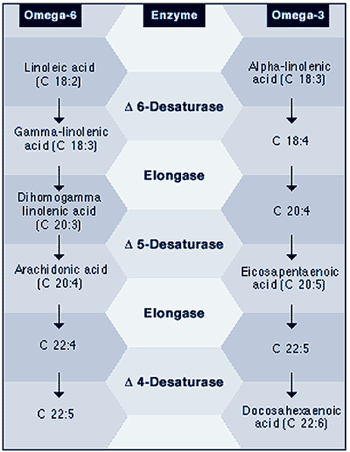
There are many polyunsaturated fats, but the key ones are the essential ones. The essential fatty acids are linoleic (Omega 6) and linolenic (Omega 3) acid. They are important for controlling inflammation, blood clotting, and brain development. These are considered essential because you must consume them as your body can not build them from something else. In general, Omega 6 fats increase hormones along the inflammation pathway and are considered bad while Omega 3 fats increase hormones that decrease inflammation and are considered good. Omega 6 fats are still needed in our diet, but we usually over consume them thus leading to excessive inflammation. The same enzymes metabolize both fats. If there are more Omega 6 fats then the enzymes will be busy metabolizing them instead of the Omega 3 fats. A balance of both fats is needed to promote health. Most sources suggest omega 3 and omega 6 be consumed at a ratio of 2:1.
Omega 3
Omega 3 fatty acids have been found to be helpful for atherosclerosis, decreasing inflammation, lowering risk of heart attacks, lowering cholesterol, immunomodulation, constipation, diabetes, PMS, renal failure, mental health (depression, ADHD, schizophrenia), cancer prevention and treatment, pre-eclampsia and many more. Cod liver oil is commonly given as a source of Omega 3 in Australia, but you need to be careful because it is also high in Vitamin A. Excess Vitamin A needs to be avoided when a woman is pregnant as it can cause birth defects, but for others it can cause vomiting, weight loss, joint pain, dry skin, irritability, amenorrhea, digestive problems, fissures at the corners of the mouth, and liver enlargement.
EPA and DHA
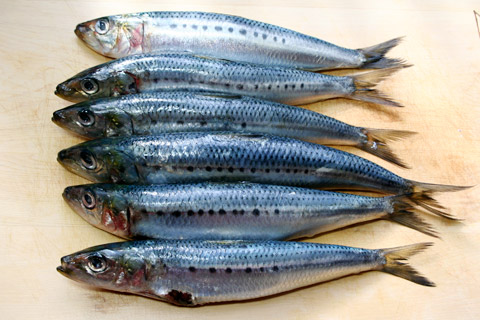
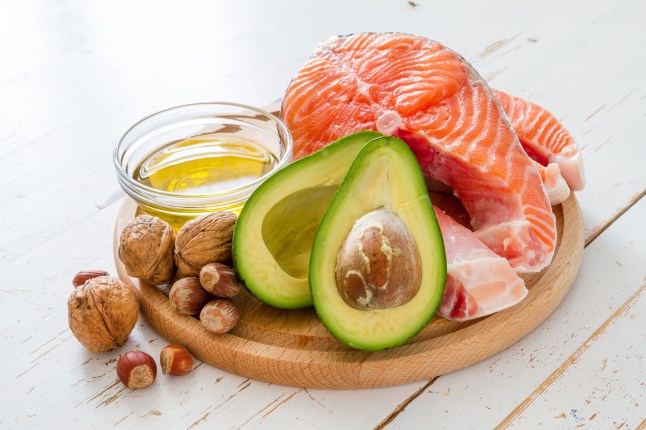
Along the breakdown pathway for Omega 3 fats, they become eicosapentaenoic acid (EPA) and docosahexaenoic acid (DHA). From here they become the anti-inflammatory hormones. Cold water fish oils (salmon, mackeral, anchovies, sardines, herring) contain EPA and DHA while flax, walnut and hemp contain linolenic acid. The advantage of taking fish oils is that you are taking in the substance that is already a few steps down the pathway. Also, our bodies are not very efficient at turning linolenic acid into EPA and DHA and conditions such as diabetes and allergies can reduce the body’s conversion ability even further.
EPA has been found to be helpful with blood pressure, blood clotting, blood lipid levels, the immune response, and inflammation. DHA is important for reducing cancer risk, brain development and function, memory, depression, ADHD, and other behavioural problems.
Omega 6
Omega 6 fatty acids are found in corn, cotton, soy, safflower, sunflower, black currant, borage and evening primrose oil. They may help to reduce the risk of cardiovascular disease, but when they are in excess over Omega 3 fatty acids, they can contribute to allergies and increased inflammation. It is also possible that a high consumption of these fats can increase the likelihood of breast and prostate cancer.
Monounsaturated – Omega 9
We often see Omega 9 fatty acids grouped together with 3 and 6. Omega 9 fats are not essential as our bodies can build them from other substrates, but can be used therapeutically to improve cholesterol (lower LDL and raise HDL), reduce blood pressure, reduce insulin resistance and improve glucose control, improve immune function and reduce cancer risk. These fats are found in olive, canola, macadamia, avocado, peanut, sesame, tea seed, corn, safflower and sunflower.
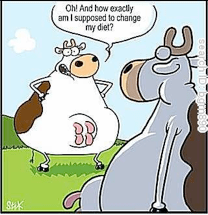
Grass fed meat
Not all saturated fats are the same. Red meat is high in saturated fat and although we have just discussed how they are not actually bad for you there is an exception. Due to the large scale of beef and sheep farming, animals have come to be fed grain as it is easier and cheaper then having them graze on a large piece of land. Unfortunately they are not meant to eat grain so this diet produces inflammation in their bodies resulting in large amounts of inflammatory cytokines. It has been found that animals fed grass produce higher amounts of Omega 3 fats in their bodies, arguably as high as fish. If you eat red meat, it is best to eat grass fed and grass finished meat when you can.
Processed Meat
The trend to reduce saturated fat intake has also led to an increased intake of processed, low-fat, meats. A study published in 2013 in BMC Medicine found that there was no link between unprocessed red meat and cardiovascular disease. The link is only with processed meats due to their high sodium and preservative content. This is consistent with the recent findings from the World Health Organization announcing that processed meats increase your chances of cancer occuring.
Coconut Oil
Coconut oil is mostly a medium chain saturated fat and is very good for you. It can aid in calorie burning thus improving weight loss. It has also been shown to help treat type II diabetes, dementia and epilepsy and improve digestion.
Farmed fish
Because farmed fish do not eat algae as they should, they are not actually as high in Omega-3 fats as their wild counterparts.
For more about which fats you should be eating, check out my article The Truth About Fats. Enjoy eating fats. Your body will thank you.





 Be Healthy!